Every modern school of Western actor training traces its lineage back to Constantin Stanislavski and the Moscow Art Theatre. Yet what remains almost entirely overlooked in conventional drama schools is that Stanislavski’s foundational impulse was not naturalistic realism—it was a book on Hatha Yoga.
Early on, Stanislavski grasped that exceptional, undeniable acting was neither an intellectual exercise nor a display of vocal gymnastics. He recognized that inspired acting is fundamentally an energetic, spiritual phenomenon: an actor in a genuine creative state radiates a palpable, transmissible presence.
Throughout his life, Stanislavski continually revised his inquiries. He began with affective memory, abandoned it when he saw it produced hysterical, neurotic actors, turned to the method of physical actions, and returned repeatedly to Eastern philosophy. Yet, working in early 20th-century Russia under mounting materialist pressures, Stanislavski could take the work only so far. He possessed the intuition of the yogic masters, but he lacked access to the complete, unbroken technology of Advaita Vedanta—the ancient science of non-dual consciousness. His search remained, by his own admission, unfinished.
When his system crossed the Atlantic to the Group Theatre in 1930s New York, it fragmented into competing dogmas:
- Lee Strasberg seized upon the earliest, most dangerous experiments with affective memory, institutionalizing personal trauma dredging and emotional substitution.
- Sanford Meisner attempted to bypass the intellect entirely through repetitive behavioral listening, sacrificing script architecture and subtextual density.
- Stella Adler championed sociological research and imaginative world-building, yet lacked an operational psychological engine to manifest internal life rapidly under the camera lens.
- Contemporary Hollywood Coaches reduced dramatic action to commercial formulas of personal ambition and “fighting to win.”
While second- and third-generation practitioners such as Michael Chekhov and Sam Kogan made monumental strides in exploring psychological gesture, imagination, and the science of human purpose, the definitive bridge between inner consciousness and reliable, on-demand physical embodiment remained incomplete.
The Spiritual Psychology of Acting (SPA) is the direct, fourth-generation evolution and final realization of Stanislavski’s original search. Developed over thirty years of professional directing and master training by British director John Osborne Hughes, SPA synthesizes Stanislavski’s lineage, Chekhov’s imagination, Kogan’s purposeful analysis, modern neuroscience, and timeless Advaita philosophy.
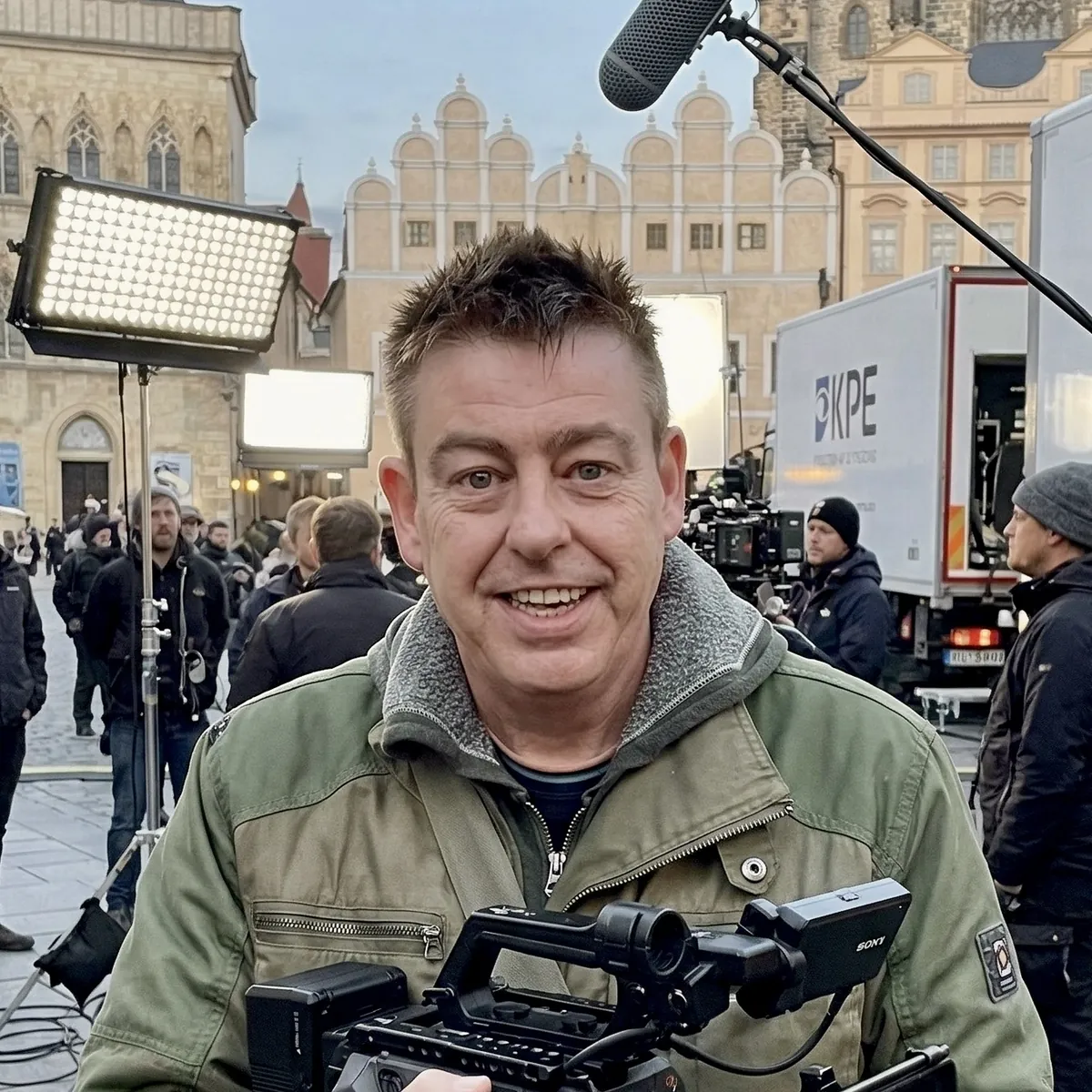
At the very core of this 150-hour professional body of knowledge lies its supreme practical application: the Active Embodiment Technique—what many consider the “Holy Grail” of great acting.
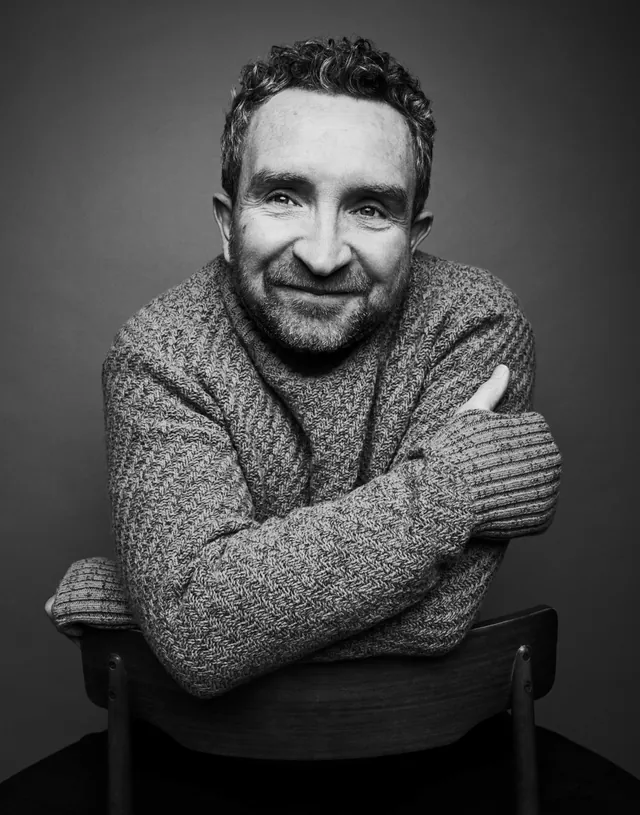
“John’s teaching represents the cutting edge of actor training available in the world today.”
— Eddie Marsan (Ray Donovan, Happy-Go-Lucky, Vice, Back to Black)
20th-Century Methods vs. The Spiritual Psychology of Acting
| Acting Methodology | Core Mechanism | Critical Bottleneck | The SPA Realisation: Active Embodiment |
|---|---|---|---|
| Lee Strasberg (The Method) | Affective Memory & Substitution: Dredging up private grief, childhood trauma, and past breakups to trigger real-life tears or rage on cue. | Psychological Damage & Self-Indulgence: The nervous system cannot distinguish real trauma from imagined trauma. Actors become neurotic, emotionally exhausted, and trapped inside their own therapy sessions. | Advaita Sovereignty & Active Embodiment: Strictly prohibits personal substitution. The Self (Atman) is the detached Witness; the character is Maya (an illusory construct). Characters are built cleanly from scratch through naked sensory imagination and embodied organically without emotional wear and tear. |
| Sanford Meisner | Repetition & Instinct: Placing total focus on the partner to achieve spontaneous behavior under imaginary circumstances. | Subtextual & Classical Paralysis: Struggles under complex classical literature (Shakespeare, Chekhov), dense subtext, or strict technical film sets requiring repeatable marks and restarts. | The Science of Thought: Rather than running from the mind, Active Embodiment teaches how the subconscious processes thought. Deliberately programmed sensory pictures during rehearsal transform into involuntary, automatic motor reflexes on set. |
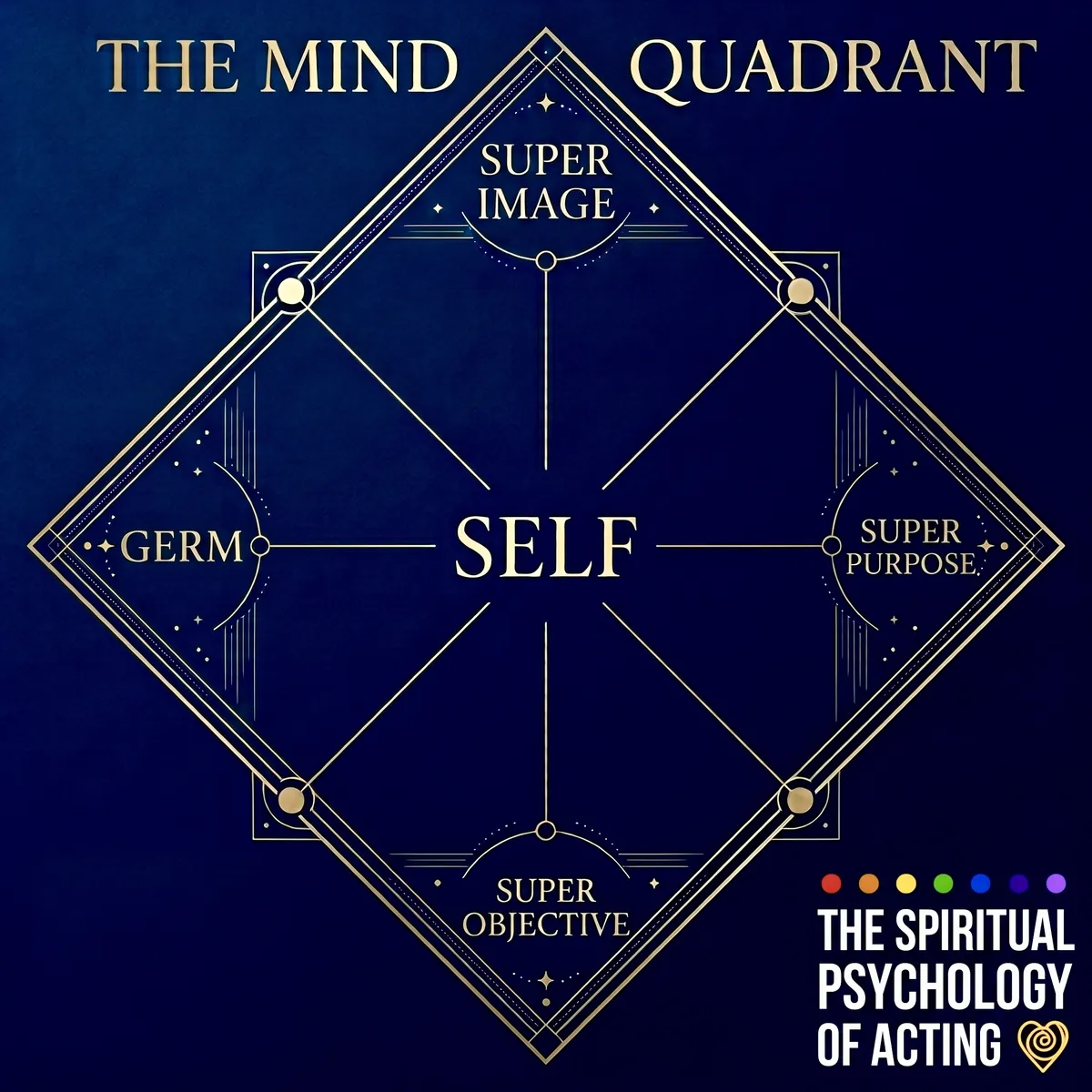
| Stella Adler | Sociological Imagination: Prioritizing script research, given circumstances, and social status over personal memory. | Literary & Theoretical: Excellent for dramaturgy, but frequently lacks a practical, rapid psychological toolkit for screen actors under zero-rehearsal conditions. | The Complete Mind Quadrant: Unpacks human nature with mathematical precision via Super-Purposes, Super-Objectives, Super-Images, Germs, and EPOAs, making script analysis immediately actionable. |
| Ivana Chubbuck | Behavioral Drive: Adapting Stanislavski’s objective into a 12-step system where the actor uses their real pain to “fight to win.” | Western Ego Flatness: Forces every character into an American pop-psychology paradigm of winning, flattening tragic, self-destructive, or nihilistic psyches. | The 4 Classes of Human Purpose: Maps the human psyche across Natural, Egotistic, Egocentric, and Shadow purposes. Inhabits heroes, self-destructive addicts, villains, and ascetics with equal truth. |
Active Embodiment: The Central Engine of the Craft
Central to The Spiritual Psychology of Acting, Active Embodiment is the modern, organic acting technique that allows artists to analyze and construct any character’s general and immediate psychology, expressing it instantaneously through imagination and action.
It is the practical answer to the problem that haunted Stanislavski: How does an actor take a literary script and physically embody another human soul without forcing, pushing, or intellectualizing?
Through Active Embodiment, actors master five interconnected pillars:
1. Advaita and Non-Doership: “I Am Not the Doer”
The root cause of camera tension, stage fright, and desperate over-acting is identification with the ego (Ahankara). It is the frantic subconscious mechanism asking: “Am I doing enough? Are they looking at me? Do they think I’m talented?”
In SPA, every session opens with meditation to center attention and settle the mind. The actor directly experiences that they are not their thoughts, their feelings, their physical body, or their character. They are the silent Witness observing the play of nature (Prakriti and the three Gunas: Tamas, Rajas, Sattwa).
When the actor internalizes non-doership (“I am not the doer”), performance ceases to be an anxious assertion of will. They stop forcing emotion. They step onto set as a clear channel, surrendering to the programmed circumstances and letting the character act through them.
2. The Lampshade Principle: Cultivating Screen Presence
Every actor possesses a unique exterior personality—like a lampshade with distinct colors, shapes, and patterns. Traditional drama schools spend years polishing the lampshade through accent training and physical movement.
Yet what commands the cinema lens is not the lampshade; it is the wattage of the internal bulb shining through the eyes. A dim 15-watt bulb wrapped in a fancy lampshade remains boring on camera. By cultivating pure consciousness through stillness, meditation, and true knowledge, the actor turns the internal dial from 15 watts to a 250-watt halogen. The audience and the camera are held by the depth of being radiating from behind the eyes.
3. Sensory Atmosphere: Feeling Without Forcing
Most actors believe emotion must be manufactured internally, leading to visible muscular straining and vocal pushing.
In Active Embodiment, we treat Atmospheres as objective fields of feeling in space. By projecting an atmosphere (e.g., Contentment, Agitation, Resentment, or Grief) into a designated space and stepping into it with sensory contact, the actor allows the feeling to permeate the skin, the muscle fibers, and the nervous system. As the intensity dials up, the actor does not push—they surrender deeper into the impression. The body alters its temperature, breathing, and status naturally without psychological strain.
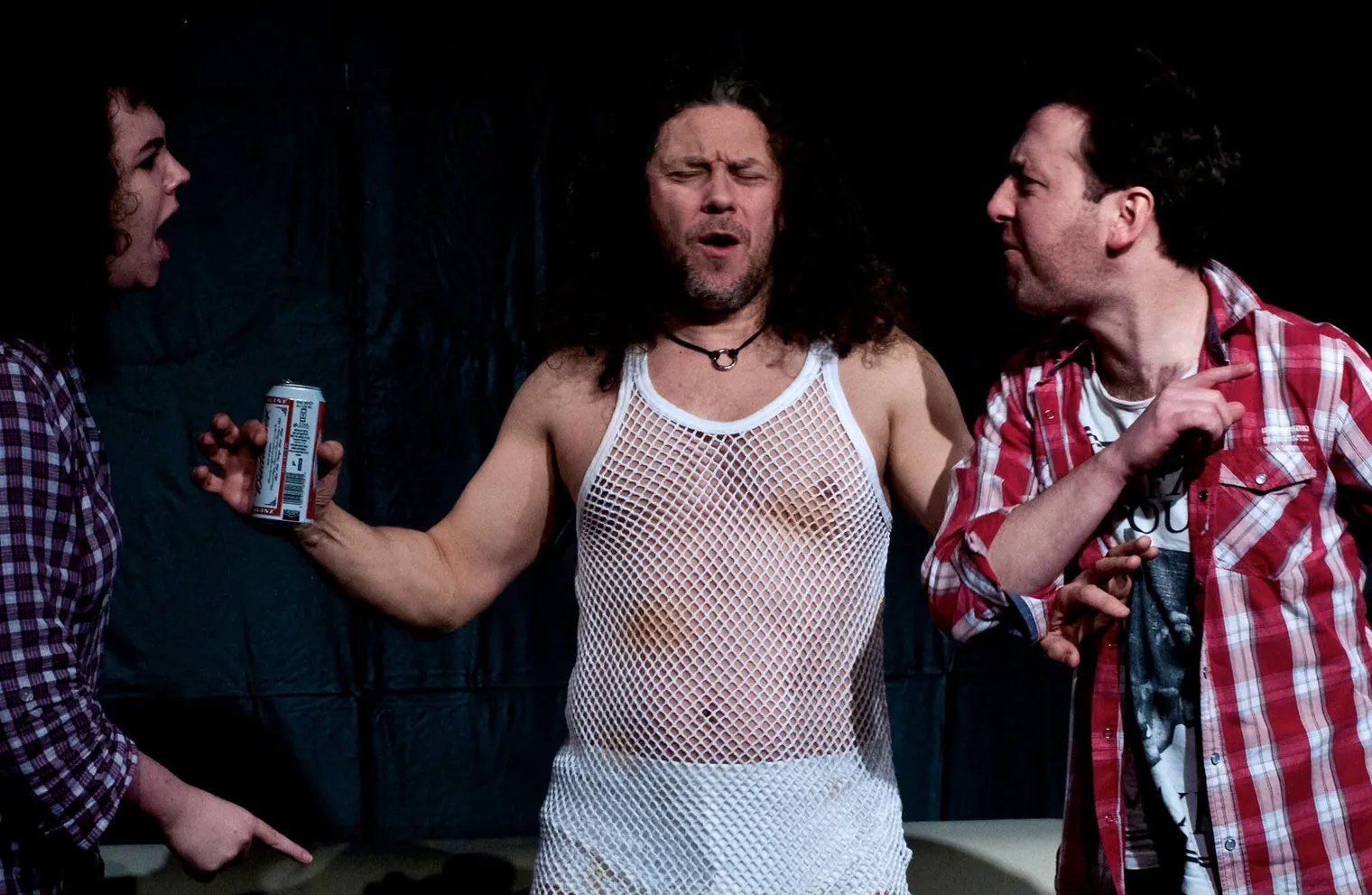
4. The Complete Architecture of Human Purpose (The 180 Purposes)
Where mainstream techniques use “objective,” “want,” and “action” interchangeably, SPA maps human motivation with clinical clarity:
- The Purpose: An internal impression of being—what the subconscious believes will bring fulfillment or happiness (I want to be admired, I want to feel secure, I want to feel powerful).
- The Objective: The practical, external means used to achieve that purpose (getting the contract signed, winning the argument, kissing the partner).
- The Action: The psychological force exerted on the other person (I seduce, I interrogate, I punish).
- The Device: The socially acceptable mask used to hide the true action.
Active Embodiment classifies all human motivation across The 180 Human Purposes, divided into four distinct groups:
- Natural Purposes: Innate, biological drives that flow with minimal resistance (I want to be free, I want to enjoy my life).
- Egotistic Purposes: Outward drives seeking psychological strokes in the eyes of others (I want to be admired, I want to be envied).
- Egocentric Purposes: Self-directed, internal soothing drives (I want to have an easy life, I want to be proud of myself).
- Shadow Purposes: Congealed obstacles born from repeated trauma and negative self-images (I want to fail, I want to be rejected).
5. Text vs. Subtext: The Mastery of the Screen
On camera, the human eye detects dishonesty in milliseconds. Dishonesty occurs when an actor plays the surface dialogue.
In Active Embodiment, we teach that Text is what the character shows (the device); Subtext is what the character is actually doing (the subconscious purpose and action).
When an actor sets up this precise internal divergence—for example, delivering warm, polite pleasantries on the surface lines while running a cold, manipulative interrogation in the eyes—the camera captures the magnetic, hypnotic density seen in master screen actors. The actor never has to “play two things at once”; they execute the subconscious action, and the text takes care of itself.
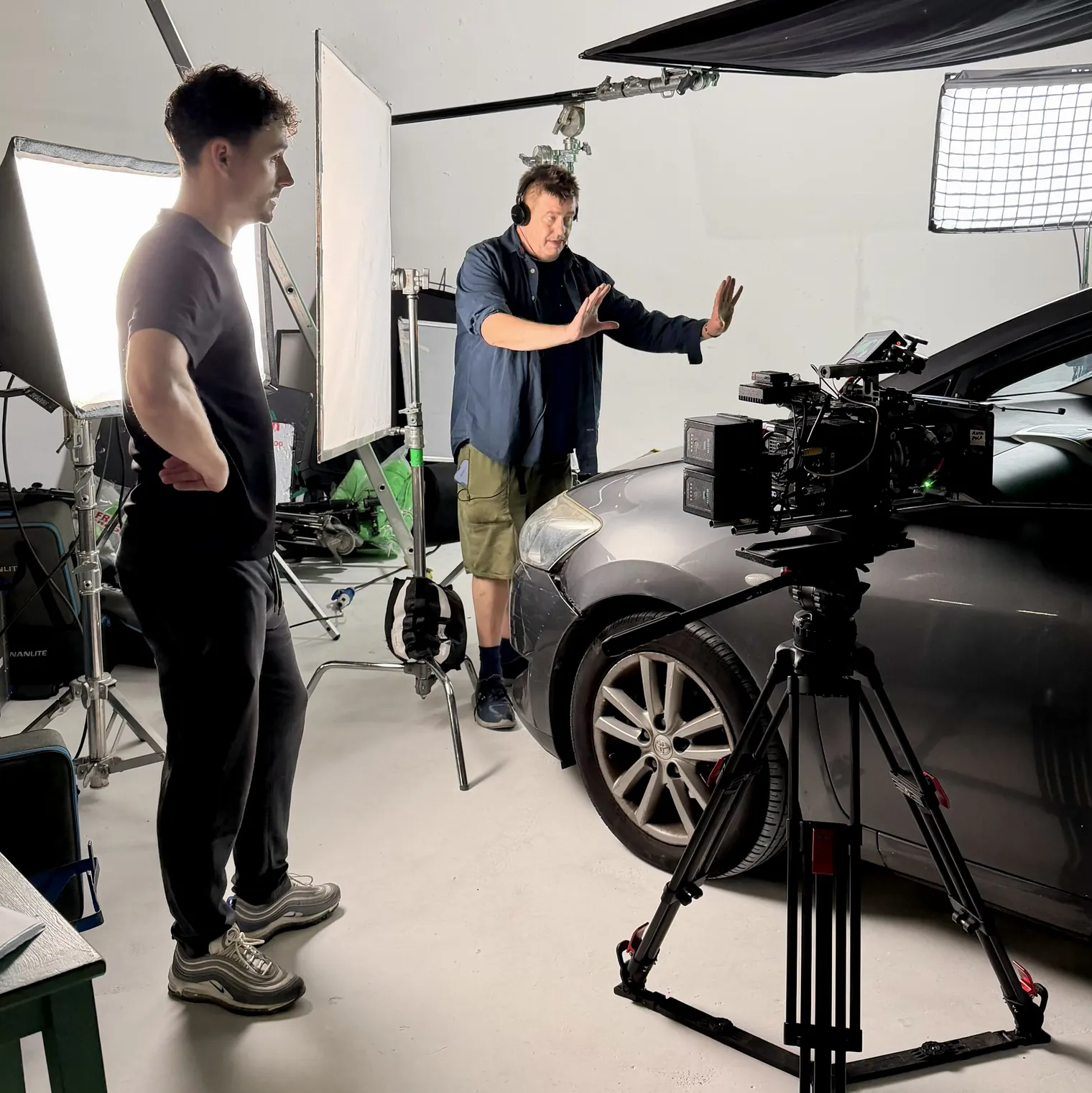
The 6-Module Curriculum: From Self-Knowledge to Full Embodiment
The complete professional training spans 150 hours of intensive study, structured across six progressive modules delivered in a hybrid format of live floor work and recorded masterclass archives:
Part One: The Actor’s Instrument & Psychology (Modules 1–3)
Before you can build someone else’s psychology, you must master your own. The first half of the syllabus decodes the subconscious dynamics of human behavior:
- Module 1: The Elements of Great Acting (Foundation Course): Core theory, relaxation, attention, and sensory technique to build a firm working foundation.
- Module 2: Know Yourself, Be Your Self (Principles of the Human Psyche): Resolving creative blocks, dismantling negative self-images, and mastering the psychological laws governing human reaction.
- Module 3: The Spectrum of Human Purposes (The 180 Desires): Comprehensive taxonomy of all 180 subconscious purposes, teaching you to recognize them in life and embody them truthfully on cue.
Part Two: Script Analysis & Active Embodiment (Modules 4–6)
The second half provides the 10-step technology for dissecting scripts and constructing undeniable characters on set:
- Module 4: The 10 Steps to Creating a Character — Part 1 (Steps 1–7): Structural text deconstruction, uncovering core themes, establishing the Germ, Super-Purpose, and Super-Objective.
- Module 5: The 10 Steps to Creating a Character — Part 2 (Step 8: Episodic Breakdown): Dividing scenes into actable units (EPOAs) and calculating the exact mental and emotional state of the character in each beat.
- Module 6: The 10 Steps to Creating a Character — Part 3 (Steps 9 & 10: Active Embodiment): The final programming and physical embodiment of thoughts, psychological actions, atmospheres, and visual design on camera.
The Culmination of the Search
“The higher purposes of theatre and cinematic art are to raise the level of consciousness, hold a mirror up to nature, and open the hearts of those who have forgotten how to open their own.”
— John Osborne Hughes
Stanislavski began the search. Michael Chekhov expanded its imaginative boundaries. Sam Kogan deepened its study of human purpose.
Active Embodiment within The Spiritual Psychology of Acting completes the lineage.
Graduates of this training regularly appear in major Hollywood feature films, international prime-time television, independent cinema, Broadway, and London’s West End.
By uniting the exact psychological mechanics of the subconscious mind with the spiritual sovereignty of Advaita, Active Embodiment hands the 21st-century actor what drama schools never could: an undeniable, repeatable, set-ready craft that liberates the artist, commands the lens, and opens the heart of the audience.